
Biohazard waste disposal for clinical labs.
Specimens, cultures, sharps, and hazardous waste from clinical and diagnostic laboratories — segregated, treated, and destroyed to OSHA, EPA, and DOT standards, with manifests and a Certificate of Destruction.
Questions? Talk to a specialist · 501-904-2929
Kits for diagnostic & clinical labs
Order online. Each kit ships with a prepaid return label and a Certificate of Destruction.
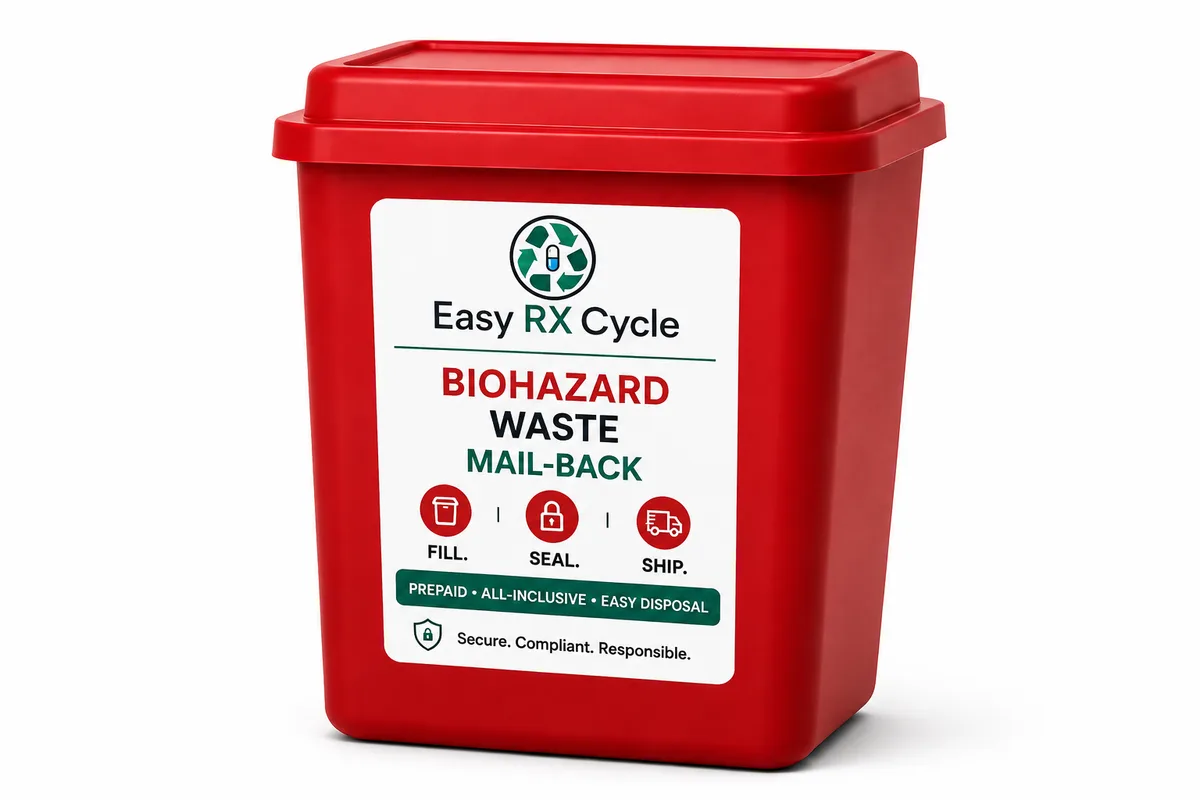
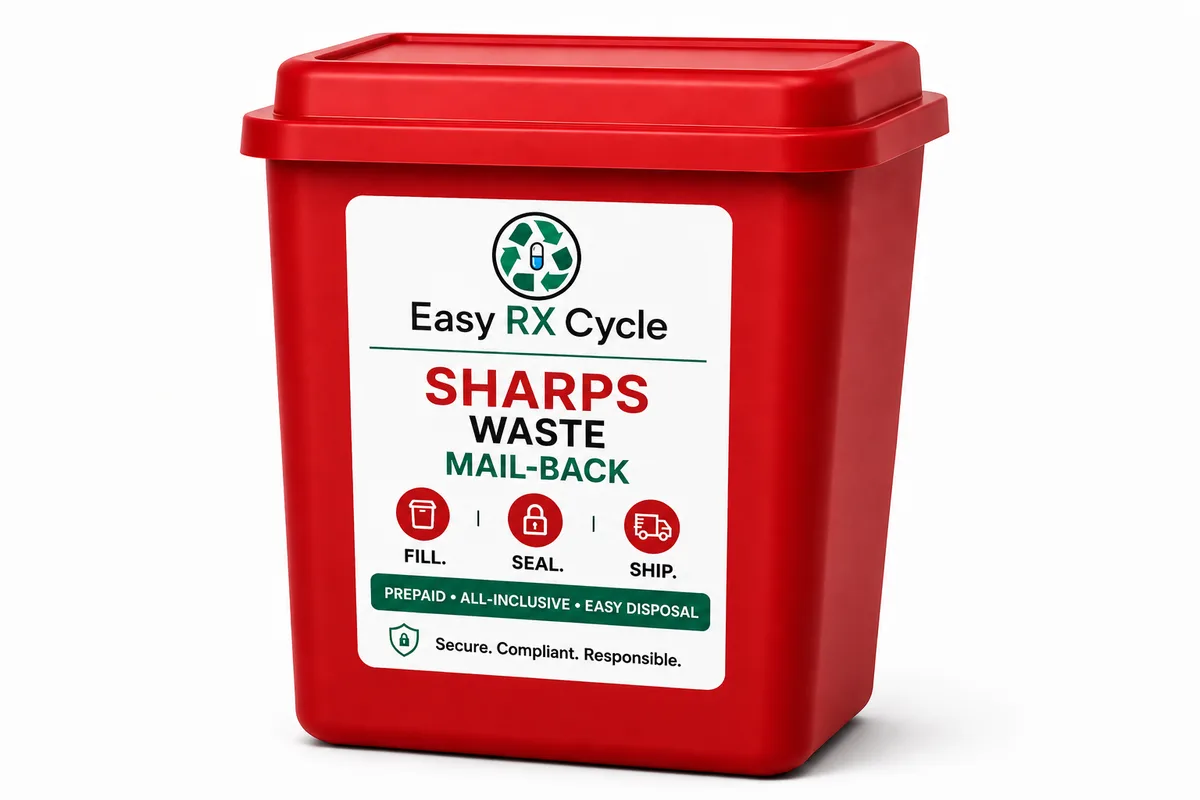
Infectious and chemical waste, side by side.
Diagnostic labs generate microbiological, specimen, and chemical waste together — each with its own handling rule.
- Cultures, stocks & specimens
- Lab sharps & broken glass
- Contaminated PPE & consumables
- RCRA-hazardous reagent waste
- Biosafety-level handling
- Manifests & chain of custody
Every clinical lab waste stream, explained.
Clinical and diagnostic labs generate biohazard as the backbone stream — blood and body-fluid specimens, cultures, and contaminated labware — plus high-volume phlebotomy sharps and some hazardous reagents and stains. This guide covers every stream and how to keep the volume moving compliantly.
Biohazard / regulated medical waste
Specimens, cultures, and contaminated labware — your primary stream.
- Blood & body-fluid specimens
- Cultures & contaminated labware
- Blood tubes & OPIM materials
- Sharps (sharps kit)
- Lightly soiled everyday items
- Expired meds (pharmaceutical)
Sharps
Phlebotomy and lab sharps at volume.
- Phlebotomy needles & lancets
- Broken glass & capillary tubes
- Syringes
- Bloody gauze (biohazard)
- Expired meds (pharmaceutical)
- Non-sharp packaging
Hazardous chemical waste
Hazardous stains, reagents, and fixatives.
- Hazardous stains & reagents
- Formalin & fixatives (if used)
- Characteristic hazardous chemicals
- Non-hazardous waste
- Sharps
- Biohazard / red-bag waste
Pathological / tissue waste
If your lab processes tissue or pathology specimens.
- Tissue & pathology specimens (per state)
- Formalin-fixed tissue
- Biopsy materials
- Sharps
- Non-hazardous waste
One partner can take your specimen biohazard, phlebotomy sharps, and hazardous reagents — mail-back or scheduled pickup — with manifests and Certificates of Destruction. No contract. Get the full guide (free PDF) →
The Clinical Lab's Guide to Compliant Waste Disposal
Specimens, phlebotomy sharps & hazardous stains — every stream, handled right. Includes a checklist, cheat sheet & FAQ.
Every lab waste stream, routed right.
Every stream you generate, routed to the right compliant process.
Simple, documented, on your schedule.
Set up your program
We set you up with separate containers for biohazard and chemical/hazardous waste, on the right cadence.
Fill & seal
Use the labeled containers; segregate each stream at the point of use.
Ship or pickup
Prepaid mail-back label or a scheduled pickup — whatever fits your volume.
Get your COD
We destroy it and email your Certificate of Destruction, archived to your account.
OSHA, EPA & DOT compliance.
- Biohazard treated (autoclave/incineration) per OSHA & CDC
- RCRA-hazardous reagent waste manifested
- DOT-compliant transport & UN packaging
- Certificate of Destruction + manifests archived
Related industries, solutions & guides.
Related industries
Solutions you’ll use
Clinical lab disposal questions.
How do clinical labs dispose of biohazard waste?
Cultures, stocks, and specimens are treated by autoclave or incineration; sharps go in puncture-resistant containers; and RCRA-hazardous reagent waste is manifested to a permitted facility. All documented.
Do you handle hazardous chemical reagent waste?
Yes — RCRA-hazardous reagents and chemicals are segregated, manifested, and destroyed at permitted facilities.
Can you support high-containment or reference labs?
Yes — we handle regulated medical waste from diagnostic and reference labs with appropriate packaging and transport.
Do you provide manifests and CODs?
Yes — hazardous waste ships on manifests and every order includes a Certificate of Destruction, archived for audits.
Is a contract required?
No long-term contract is required — programs are sized and scheduled to your lab's volume.
How do we handle high phlebotomy sharps volume?
We size sharps kits (or set a pickup cadence) to your draw volume so containers never overfill.
Are stains and fixatives regulated?
Some are — certain stains and formalin can be hazardous chemical waste. We characterize them and manifest what's regulated.
What about tissue and pathology specimens?
They're regulated medical waste with state-specific pathological-waste rules — we'll confirm yours.
Do we need a contract?
No — no contract, no minimums.
Compliant disposal for your lab.
Specimens, cultures, sharps, and hazardous reagents — segregated, manifested, documented.